
Most events don’t fail because of poor planning. They fall short because everything stops once the final session ends.
For nonprofits and volunteer managers, an event is often the start of a relationship, not the finish line. You bring people together around a mission. What happens after the event decides whether that connection grows or fades. That’s why post-event engagement matters.
Post-event engagement is the follow-up that helps you turn a one-time attendee into a repeat volunteer, donor or member. It doesn’t need a big budget, but it does need intention.
This article covers post-event engagement strategies you can use: a strong thank-you message and ongoing follow-ups that feel relevant. You’ll also get practical event engagement ideas you can adapt for different types of organizations.
Why Post-Event Engagement Matters
An event creates a moment. Post-event engagement turns that moment into something that lasts.
People often decide what to do next after they leave. If they hear nothing, they move on. If they get a clear message and a clear next step, they’re more likely to stay involved. That’s the core of post-event engagement.
Read more: From Registration to Recap: The Ultimate Event Engagement Guide to Keep Attendees Hooked
For nonprofits, this follow-up supports long-term mission work. Repeat volunteers, steady donors and committed members usually come from consistent contact over time. Strong event engagement means people feel seen, know what their involvement changed and understand how to help again.
Good post-event engagement strategies also help you learn. You can spot what worked, what didn’t and what to improve before the next event. Over time, this turns events into a cycle: connect, follow up, invite and build.
Benefits of Engaging with Attendees Post-Event
Post-event engagement helps events live longer than a single day. It supports the people who showed up and the organizations that worked hard to bring them together. For nonprofits and volunteer managers, this kind of follow-up is less about promotion and more about relationships.
When attendees hear from you after an event, they feel acknowledged. When they’re invited back into the conversation, they feel included. Over time, that builds loyalty and trust. It also makes future event engagement easier because people already know what to expect and why it matters.
Below, we’ll focus first on the benefits for attendees. These are often overlooked, but they’re the foundation of strong post-event engagement strategies.
Attendee Benefits
Continued Learning and Value
Many attendees leave an event with new ideas but little time to process them. Post-event engagement gives them space to reflect and keep learning. Sharing session recordings, slides or written recaps helps reinforce what they heard and fills in gaps they may have missed. This added value shows respect for their time. It also makes the event feel like more than a one-off experience, which improves overall event engagement.
Stronger Sense of Community
Events bring people together, but post-event engagement keeps them connected. Follow-up emails, social posts or discussion threads remind attendees that they’re part of a group with shared goals. For nonprofits, this sense of community matters. Volunteers and supporters are more likely to stay involved when they feel they belong. Ongoing interaction will help you turn a room full of individuals into a network that recognizes and supports each other.
Visibility and Recognition
People like to feel seen. Post-event engagement creates simple ways to acknowledge attendees, volunteers and contributors. A public thank-you, a photo recap or a short spotlight can go a long way. Recognition doesn’t have to be formal to be meaningful. When attendees see themselves reflected in your follow-up content, it reinforces that their presence mattered and encourages them to stay engaged.
Clear Next Steps
After an event, many people are willing to help but are unsure how. Post-event engagement removes that uncertainty. Clear follow-up messages can point attendees to volunteer opportunities, membership options or upcoming events. This guidance helps people move from interest to action. It also reduces drop-off by answering the quiet question many attendees have after an event: “What should I do next?”
Organization Benefits
Post-event engagement supports the people who attend your events, but it also supports the organization behind them. When follow-up is done with care, it helps nonprofits get more value from the time and resources they already invest in events. It also makes future planning easier and more informed.
Higher Attendee Retention and Engagement
It’s often easier to re-engage someone who already attended an event than to attract a brand-new audience. Post-event engagement keeps your organization top of mind and relevant. When attendees hear from you soon after an event, they’re more likely to open future emails, register again or show up to volunteer. Over time, this steady contact builds stronger event engagement and reduces the need to start from scratch with every new event.
Read more: How to Increase Attendance at an Event: Strategies to Try Now!
Improved Event ROI
Nonprofits rarely measure success by profit alone, but events still come with real costs. Post-event engagement helps extend the return on that investment. A single event can lead to multiple outcomes, such as volunteer sign-ups, donations or memberships, when there’s a clear follow-up plan. Strong post-event engagement strategies make it more likely that one event leads to ongoing support rather than a one-time interaction.
Stronger Relationships With Members and Prospects
Events often attract a mix of long-time supporters and people who are new to your organization. Post-event engagement helps you speak to both groups in meaningful ways. Members feel appreciated and recognized, while prospects learn more about who you are and how you work. This steady communication builds trust over time and supports long-term relationships instead of quick asks.
Feedback and Insights Improve Future Planning
Follow-up surveys and engagement data provide useful insight into what worked and what didn’t. Attendance patterns, content feedback and engagement levels can guide future decisions. Post-event engagement turns attendee input into a planning tool, helping you improve logistics, content and overall event engagement with each new event.
Post-Event Engagement: Step-by-Step
These post-event engagement steps below focus on simple actions that support long-term event engagement without adding a lot of extra work.
Step 1: Send a Thoughtful Message
The first follow-up message sets the tone for everything that comes next. It should go out the day the event ends or the next day if the event runs late. Waiting too long makes the message feel like an afterthought.
Start with a genuine thank-you. Acknowledge attendees for giving their time and energy. Personalize the message based on their role. Attendees, speakers, sponsors and volunteers all contributed in different ways. Even light personalization helps people feel recognized.
This message is also a good place to recap the event. Share a few highlights, a short summary or a link to a photo album or highlight reel. Keep it brief. The goal is to remind people why the event mattered, not to restate the full agenda.
End with clear next steps. That might be a link to upcoming events, a survey or a piece of shared content. Many organizations automate this process using membership software like WildApricot, which makes it easier to send segmented emails without extra manual work. Done well, this first message anchors your post-event engagement strategy.
Step 2: Share Event Content
After the initial thank-you, continue the conversation by sharing event content. Recordings, presentation slides and photos help extend the life of the event and support ongoing event engagement. They’re also helpful for people who weren’t able to attend every session or want to revisit a certain moment.
Think about how you share access. Some nonprofits offer recordings to everyone, while others reserve full access for just members. This approach adds value to membership without creating barriers to basic participation. Be clear about what’s available and how to access it.
Event content can also be reused in smaller ways. A single session can become a short blog post, a social media clip or a discussion starter in your community forum. This kind of reuse supports post-event engagement without requiring new content from scratch. Bonus – you can use this as extra revenue. Gating your high-value, on-demand content can be for members only or for individuals who donate a small amount to your cause.
Read more: The Complete Guide to Understanding your Event ROI
Step 3: Send Follow-Up Survey
A follow-up survey gives attendees a chance to share their experience while it’s still fresh. Sending it within a couple of days of the event leads to more honest and helpful responses. If you wait too long, people forget details or stop caring enough to reply.
Read more: 30 Post-Event Survey Questions (+ Why They Matter)
Keep the survey short and focused. Ask about overall satisfaction, how the event was organized and whether the content met expectations. Include a question or two about logistics, such as timing or location, since these often affect attendance more than the program itself. It’s also helpful to ask attendees what topics they’d like to see in future events.
Surveys play a quiet but essential role in post-event engagement strategies. They show that you care about attendee input and plan to act on it. Over time, this feedback supports better event engagement by helping you improve what matters most to your audience.
Step 4: Send Targeted Follow-Up Campaigns
Not all attendees leave an event with the same needs or level of commitment. Targeted follow-up campaigns help you meet people where they are. Segment your audience based on factors like first-time vs. returning attendees or members vs. nonmembers.
First-time attendees generally need more background about your organization and a clear invitation to stay involved. Returning attendees might appreciate updates on upcoming events or deeper volunteer opportunities. Members can receive different messaging than nonmembers, like early registration or exclusive content.
Each segment should have a clear call to action. This could be an invitation to join as a member, to register for upcoming events or to subscribe to newsletters. These targeted messages make post-event engagement feel relevant rather than generic, which supports stronger event engagement over time.
Step 5: Ongoing Touchpoints Via Social Media
Social media keeps post-event engagement visible and ongoing. Share behind-the-scenes moments from the event or tease what you’re planning next. This gives attendees a reason to keep following your updates.
Read more: The Social Media Playbook for Associations: Strategy, Software and Ideas for Success
Invite people to share their own experience. Ask for photos, short recaps or favorite moments. When attendees contribute content, it reinforces their connection to the event and to each other.
If your organization has a community forum or group, start discussion threads tied to event topics. These spaces allow conversations to continue well after the event ends and support a sense of shared purpose.
Step 6: Spotlight Attendees, Winners and Contributors
Recognition goes a long way in post-event engagement. Taking time to spotlight attendees, volunteers or contributors shows that individual efforts matter. This can be as simple as a short social post, a mention in a newsletter or a dedicated thank-you section on your website.
Outstanding volunteers, top donors or award winners often put in extra time behind the scenes. Publicly acknowledging their work builds goodwill and encourages others to get involved. It also reinforces the values your organization stands for. Recognition doesn’t need to feel formal or polished. A sincere message is often enough to strengthen event engagement and make people feel proud to be part of your community.
Read more: 16 Member Appreciation Ideas + 6 Quick Steps for Planning Your Member Appreciation Day
Step 7: Utilize Event Insights to Shape Future Events
Post-event engagement isn’t complete without reflection. Registration numbers, attendance rates and participation data offer a clear picture of how people interacted with your event. When you combine these metrics with survey responses from Step 3, patterns start to emerge.
Look at which sessions had the highest attendance, where people dropped off and what feedback came up repeatedly. This helps you understand what resonated most and what missed the mark. Use these insights to adjust topics, formats or timing for future events. Over time, this approach leads to stronger event engagement and post-event engagement strategies that improve with each event rather than starting over every time.
Example of Post-Event Engagement Timeline
A timeline removes guesswork and makes follow-up easier to manage, especially when events are just one of many responsibilities.
Day 1: Thank-You Email and Photo Album
The first follow-up should happen quickly. A thank-you email sent the same day or the day after the event keeps the experience fresh in people’s minds. This message should focus on appreciation and acknowledgment, not promotion. Thank attendees for showing up, volunteers for helping and speakers for sharing their time.
Include a link to a photo album or a few highlighted images. Photos help people relive the event and often prompt them to share with their own networks. This early touchpoint sets a positive tone for the rest of your post-event engagement efforts.
Read more: How to Write a Volunteer Thank-You Letter That’s Actually Meaningful (+ Template)
Day 3–5: Feedback Survey
A few days after the event is the right time to ask for feedback. By this point, attendees have had time to reflect but still remember the details. Keep the survey short and easy to complete.
Frame it as a way to improve future events rather than a formality. Let people know their input matters. This step supports better event engagement in the long run by helping you understand what worked and what should change next time.
Week 1: Share Recordings, Key Takeaways
About a week after the event, shift the focus to shared learning. This is a good time to release session recordings, presentation slides or written takeaways. Attendees are more likely to revisit content once their schedules settle back into a routine.
Keep the messaging simple. Highlight a few key points or moments instead of sending everything at once. This approach makes the content easier to digest and supports ongoing event engagement. For those who couldn’t attend every session, these materials reinforce the value of showing up and staying connected.
Week 2–4: Lead Nurturing Sequence and Upcoming Event Announcement
In the weeks that follow, post-event engagement can move from reflection to action. A short lead nurturing sequence helps maintain contact without feeling repetitive. Messages during this phase can share stories, spotlight volunteers or explain how people can get involved in meaningful ways.
This is also a natural time to mention upcoming events. Keep the invitation relevant to what attendees have already shown interest in. When people see a clear link between past and future events, they’re more likely to register again and remain engaged.
Ongoing: Social Engagement, Community Discussions
Post-event engagement doesn’t end after the first month. Ongoing social engagement keeps your organization visible between events. Share updates, comment on attendee posts and keep conversations active.
If you host online groups or forums, use them to continue discussions sparked by the event. These spaces help people stay connected to each other and to your mission, supporting long-term event engagement beyond any single event.
Read more: Building a Thriving, Engaged Community: How CommUnity Powers Member Connection and Action
Post-Event Engagement Ideas for Every Organization
Post-event engagement looks different depending on the type of organization you run, but the goal stays the same. Keep people connected and give them a reason to stay involved. The ideas below focus on practical ways to continue event engagement without adding unnecessary complexity.
Post-Event Engagement Ideas for Nonprofits
Nonprofits can use post-event engagement to connect event experiences back to their mission. Share short stories that show how the work discussed at the event creates real impact. This could be an update on a program, a beneficiary story or a milestone your organization recently reached. These updates help attendees see how their time and support fit into the bigger picture.
Events also create a natural opening to invite people into your volunteer programs. After attending, many people feel motivated, but they need direction. Clear invitations to volunteer – paired with simple next steps – can help turn that interest into action.
Post-Event Engagement Ideas for Clubs
For clubs, post-event engagement often centers on social connection. Sharing photos, casual recaps and member spotlights helps keep the tone friendly and inclusive. These updates remind attendees that the club is about people, not just activities.
Post-event follow-up is also a good time to invite attendees to take on a role. Asking people to join planning committees or help organize the next event gives them a sense of ownership. When members feel involved behind the scenes, they’re more likely to stay active and show up again.
Post-Event Engagement Ideas for Associations
Associations often serve members who attend events for professional growth. Post-event engagement should support that goal. Releasing CEU certificates soon after the event helps members close the loop on their participation. It’s a simple step, but it shows respect for their time and reinforces the value of attending. Session recordings and workshop materials can serve the same purpose by extending learning beyond the live event.
Associations can also use post-event engagement to continue conversations that started during sessions. Creating topic-specific discussion groups gives attendees a place to ask follow-up questions, share resources and connect with peers. These spaces support ongoing event engagement and help members get more value from both the event and their membership.
Tips to Make Post-Event Engagement Easier
Post-event engagement doesn’t have to feel like extra work piled onto an already busy schedule. A few simple habits can make follow-up more manageable and more effective, especially for small teams and volunteer-led organizations.
Prompt and Personalized Thank Yous
Timing matters. Sending a thank-you soon after the event shows respect and keeps the experience fresh. Even light personalization can make a difference. Using a name, referencing the event they attended or acknowledging a specific role helps the message feel human. You don’t need to write every email by hand. Tools that support basic personalization can save time while still supporting strong event engagement.
Share Valuable Content and Make it Accessible
Post-event content should be easy to find and easy to use. Share recordings, slides or summaries in a clear format with simple instructions. Avoid burying links in long emails. When content is accessible, more people will actually use it. This keeps post-event engagement focused on value rather than frustration, making attendees more likely to stay connected.
Nurture Based on Attendee Interests
Not everyone attends an event for the same reason. Some want to volunteer, others want to learn and some are just getting to know your organization. Segmenting follow-up based on interests helps your messages feel relevant. Over time, this kind of nurturing supports better event engagement and reduces the chance that people tune out your communication.
Utilize Tech and Tools to Simplify
Post-event engagement is easier when the right tools do some of the heavy lifting. Email automation helps you send timely follow-ups without having to remember every step. Survey tools collect feedback in one place and make it easier to spot patterns. Online communities give attendees a space to stay connected, while event analytics dashboards show what people clicked, attended and ignored.
Read more: The Complete Guide to Marketing Automation for Nonprofits + Top Tools to Use
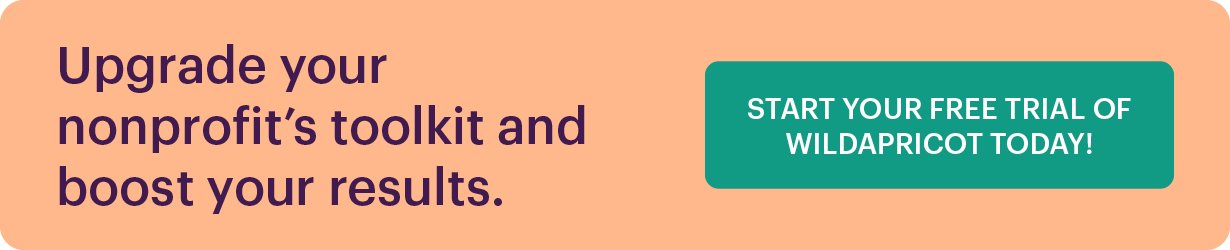
Membership management software or a CRM can bring all of this together. Platforms like WildApricot help nonprofits manage events, email follow-ups and member data in one system. This makes it easier to:
- Segment audiences
- Automate post-event engagement strategies
- Track ongoing event engagement
All without juggling multiple tools! If you’re looking for a practical way to streamline follow-up, WildApricot (that’s us!) offers a 60-day free trial! Our all-in-one membership management software enables you to maximize engagement with members, donors, volunteers, supporters and more with features like:
- Email and communication tools to automate and segment your messaging
- Membership database where all your contacts and their information are securely stored in one place
- Event management tools that allow you to create custom registration forms and track attendee data
- Mobile app for members and admins to update member profiles, pay dues and keep connected
- Secure payment processing for donations, event tickets, membership dues and more
- Online store to sell merchandise, gated content and generate revenue
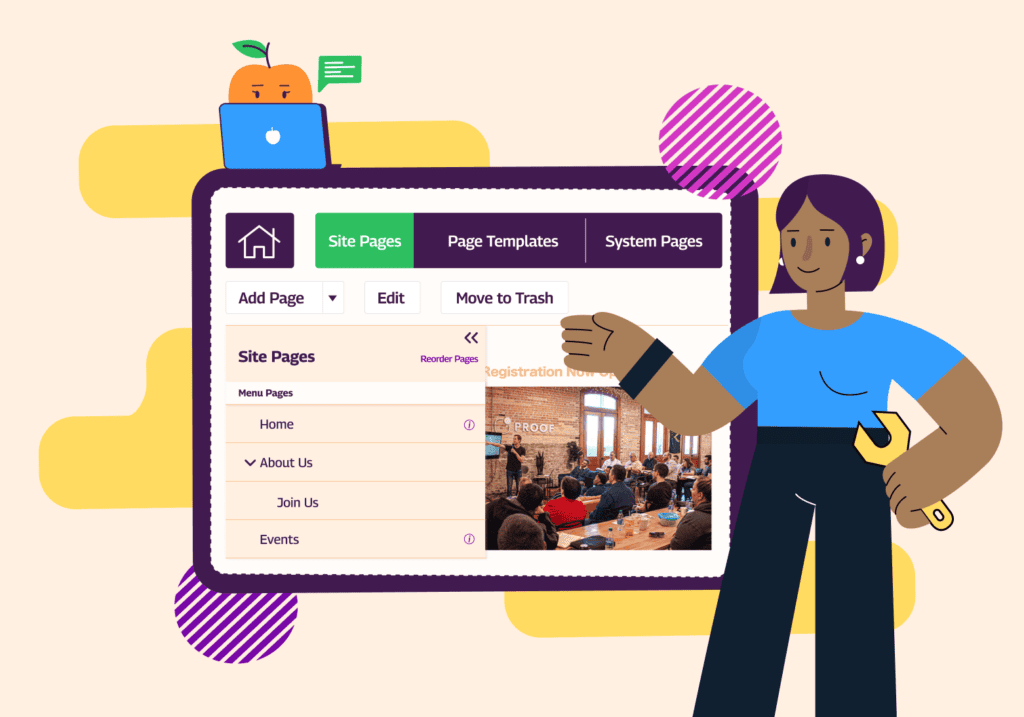
- Website builder with a user friendly drag-and-drop editor
Get started today with our 60-day free trial!
Keep Momentum Going Beyond First Week
The first week after an event is essential, but post-event engagement shouldn’t stop there. Consistent, lighter touchpoints over time help keep your organization top of mind. A quick update, a reminder about an upcoming event or a shared success story can reinforce the connection you’ve already built. When follow-up becomes a habit, each event strengthens the next rather than standing alone.
Bring your attendees together and build the relationship beyond that final session. With our tips and best practices, your next event will be the match that sparks your organization’s bonfire of growth!