
Community outreach is one of the most powerful ways nonprofits can build awareness, attract supporters and raise critical funds for their cause.
But if you’re working with a small team and a tight budget, figuring out where to start can feel overwhelming.
The good news? You don’t need a massive staff or a huge budget to make a real impact. You just need the right ideas and a plan to put them into action.
That’s why we’re sharing seven community outreach ideas your nonprofit can use to boost engagement, grow your supporter base and raise more funds in 2026. Let’s dive in.
1. Create Your Own Day or Week of Giving
Many nonprofits find it tough to stand out on #GivingTuesday when thousands of organizations are all competing for attention on the same day.
So, instead of competing in a single day each year, why not create your own?
A dedicated day or week of giving lets you rally your community around a theme that’s specific to your mission — and on a timeline that works best for your supporters.
For example, Southern Wesleyan University (SWU) created “SWU Cares,” a week of giving designed to provide ongoing financial and spiritual support for students. Even with an entirely virtual campaign, the SWU team surpassed their fundraising goals.
The best part? You can tailor the format to fit your organization — whether that’s an in-person event, a virtual campaign or a hybrid approach.
2. Host a Peer-to-Peer Fundraising Campaign
Peer-to-peer fundraising is a multi-tiered fundraising approach to crowdfunding that allows individuals to create personal fundraising pages on your cause’s behalf. Fundraisers are encouraged to share their peer-to-peer fundraising campaign page with family and friends or on social media.
Peer-to-peer fundraising campaigns can also happen entirely online, making it a perfect stand alone event or additional component to a virtual fundraising event.
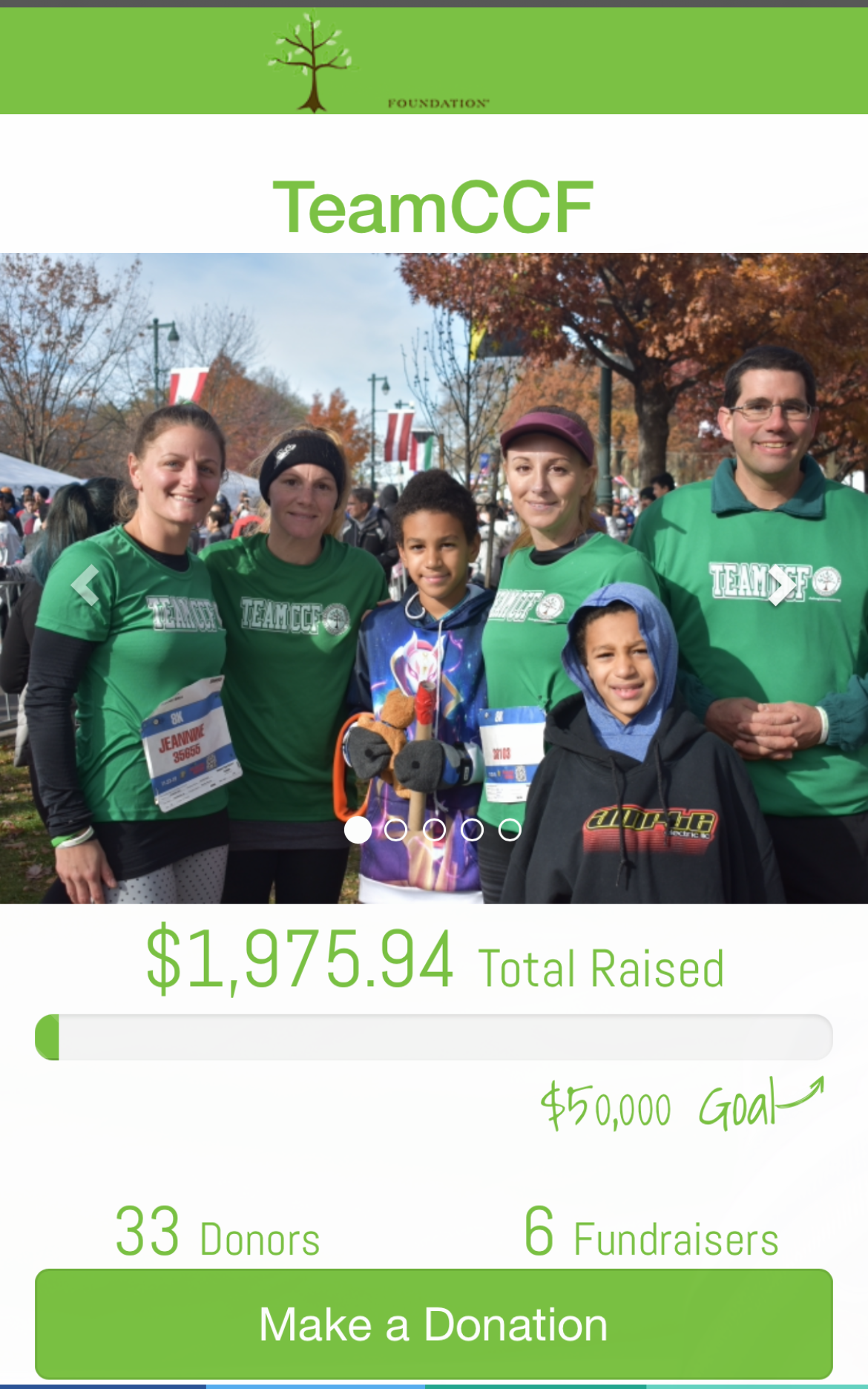
Another great thing about peer-to-peer fundraising is that it allows your organization to capture new donors through your existing supporters’ social networks. In fact, the average amount raised by an individual peer-to-peer fundraising page is $538, while the average donation amount is $95 dollars and the average number of donors to each is 5.2.
For example, the Cholangiocarcinoma Foundation raised over $37,777 dollars for their first ever fully virtual peer-to-peer fundraising Turkey Trot, 5K run/walk and received participants from 40 different states.
3. Promote Local Volunteer Opportunities
Not every supporter is in a position to donate, but many are eager to give their time. Promoting volunteer opportunities is a great way to deepen community engagement and connect people to your mission in a meaningful way.
There are plenty of volunteer opportunities to highlight, including park or beach cleanups, food distribution events, mentorship programs and outreach to seniors or isolated community members. Think about what aligns with your nonprofit’s mission and where your community’s needs are greatest.
Be sure to promote these opportunities through email marketing, social media and mobile messaging to reach supporters where they already are — like the example below.
Read More: 15 Ways to Volunteer from Home
4. Host an Outdoor Community Fundraising Event
Outdoor events are a fantastic way to bring your community together while keeping things fun and accessible. They’re often lower-cost to organize than formal indoor events and tend to attract a wider range of supporters, including families and first-time attendees.
Some ideas for outdoor community fundraising events include golf tournaments, outdoor movie nights, concerts in the park, fun runs or walkathons and community festivals. You can even pair these with a silent auction or raffle to maximize your fundraising potential.
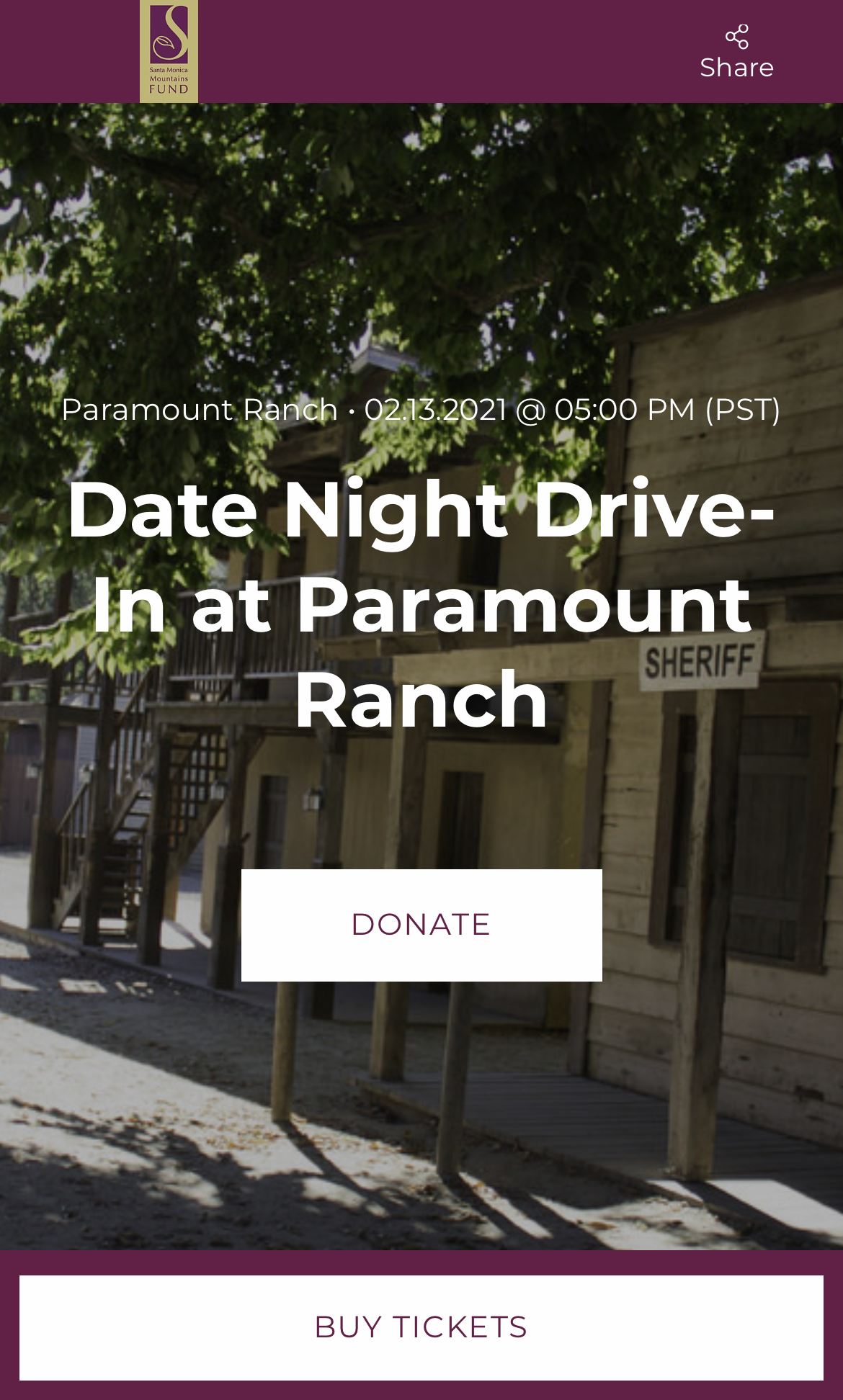
For example, the Santa Monica Mountains Fund has hosted outdoor movie screenings as a creative way to engage their community and raise funds for their cause.
The key is to pick an event format that fits your mission, your audience and your budget — then make it easy for people to show up and give.
5. Engage Supporters with a Mobile Messaging Campaign
Your supporters are on their phones all day, so why not meet them there?
Consider this: 98% of all text messages are read and 90% are read within the first 90 minutes of being sent. That makes mobile messaging one of the most direct and effective channels to reach your community.
You can use mobile messaging to promote a day of giving, share volunteer opportunities, send event reminders or keep supporters updated on your mission’s progress. It’s a simple way to stay connected without relying solely on email or social media.
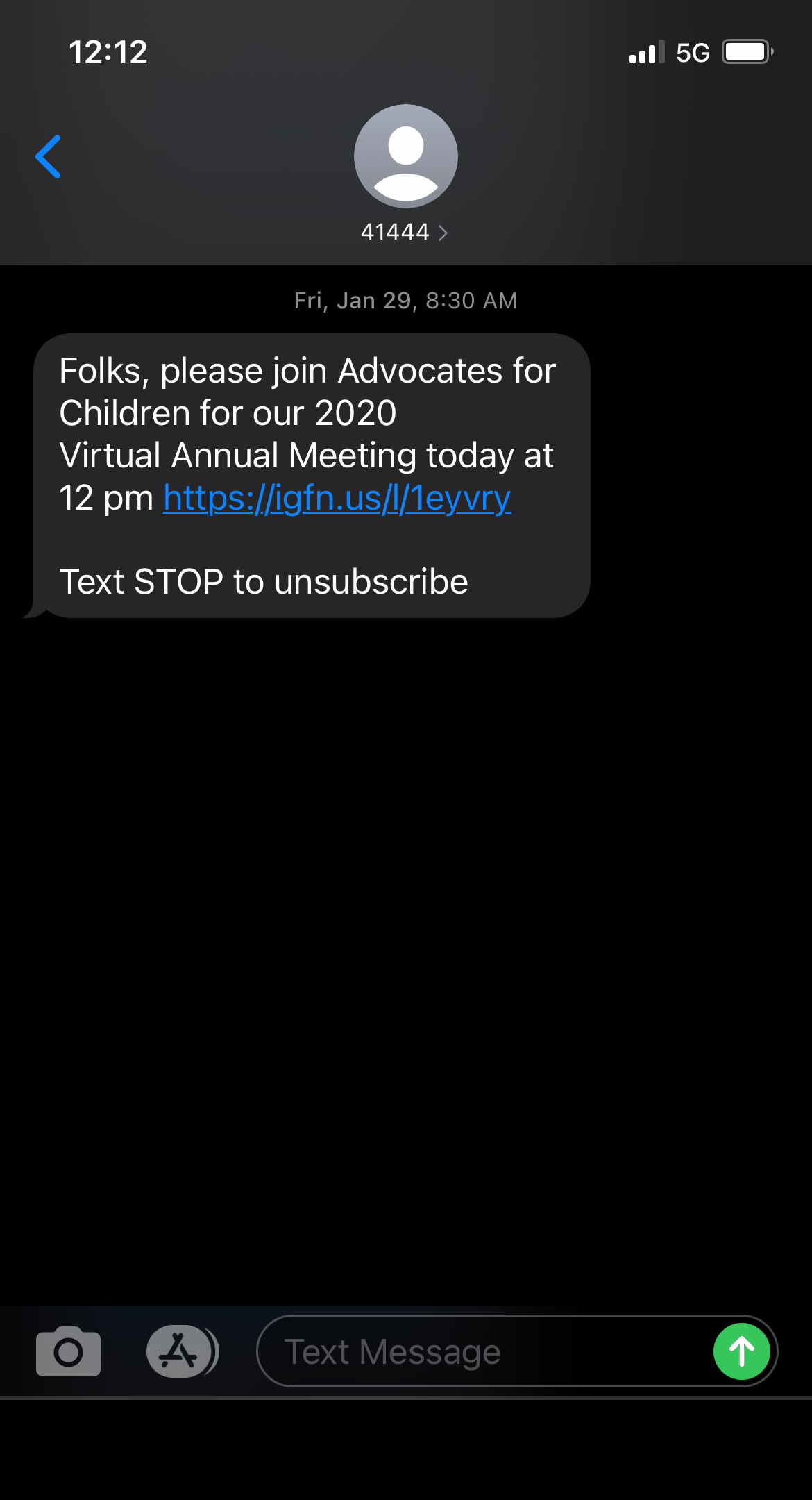
For example, Advocates for Children, a nonprofit dedicated to providing services to children and families who have been victims of abuse and neglect, regularly updates supporters via mobile messaging with meeting invites and reminders.
If you’re not already using text messaging as part of your outreach strategy, it’s worth exploring. It’s low-cost, easy to set up and incredibly effective.
6. Partner with Local Businesses
Many nonprofits choose to partner with other local nonprofit and businesses to raise funds for community members. Partnering with local businesses is a win win for both you and the company as it gets your cause out there and the business boosts sales and exposure in your community, like this example from Feeding America.
The partnership can be in the form of cause marketing (think of donation drop boxes in grocery stores or when a certain percentage of a restaurants’ proceeds go to a cause) or corporate sponsorships for your virtual or in-person fundraiser.
7. Host a Virtual Fundraising Event
Speaking of virtual fundraisers, virtual events are here to stay in 2021 as most organizations opt out of in-person gatherings for the time being. Virtual fundraising events can take the form of virtual galas, concerts, performances, Q&A sessions, dinners, or even conferences like the one below.

We hope these ideas left you with inspiration to create your own socially distanced and responsible fundraising events this year! For more virtual fundraising event ideas, check out our infographic.
8. Launch a Peer-to-Peer Fundraising Campaign
Peer-to-peer fundraising is one of the most effective ways to expand your nonprofit’s reach without stretching your team thin. The idea is simple: empower your existing supporters to fundraise on your behalf by creating their own personal fundraising pages and sharing them with their networks.
This approach works because people are more likely to donate when asked by someone they know and trust. Your supporters become advocates for your cause, and each one brings in a new circle of potential donors your organization might not have reached otherwise.
To get started, choose a peer-to-peer fundraising platform that makes it easy for participants to set up pages, track progress and share on social media. Set a clear goal, provide your fundraisers with messaging templates and graphics, and celebrate milestones along the way to keep momentum going.
Read more: How to Run a Peer-to-Peer Fundraising Campaign
9. Start a Community Ambassador or Street Team Program
Sometimes the best outreach happens face to face. A community ambassador or street team program lets you tap into the passion of your most dedicated volunteers by giving them a role as official representatives of your organization.
Ambassadors can attend local events, farmer’s markets, community fairs and neighborhood meetings to spread the word about your mission, hand out materials and invite people to get involved. It’s an organic, personal way to grow awareness and build relationships in your community.
To make it work, give your ambassadors the tools they need to succeed. That includes branded materials, talking points, a clear understanding of your mission and a way to collect contact information from interested community members. A little training goes a long way.
This is also a great opportunity to engage younger supporters or college students who are looking for hands-on volunteer experience.
10. Create a Social Media Challenge or Campaign
Social media challenges are a fun, creative way to raise awareness and get your community involved in your mission. When done right, they can go viral and bring in supporters you never would have reached through traditional outreach.
The key to a great challenge is making it simple, shareable and tied to your cause. Think about what action you can ask people to take that’s easy to do, fun to share and connected to the work your nonprofit does. Give it a catchy hashtag so you can track participation and build momentum.
Encourage your existing supporters, board members and volunteers to kick things off by participating first and sharing on their own social channels. The more people see others getting involved, the more likely they are to join in.
You don’t need a massive following to make this work. Even a small, engaged community can create a ripple effect when the content is compelling and easy to share.
11. Build a Referral or “Bring a Friend” Program
Your current supporters are your best marketing tool. A referral or “bring a friend” program makes it easy for them to invite others into your community, whether that’s attending an event, joining as a member or showing up to a volunteer day.
The concept is straightforward: encourage your supporters to bring someone new and offer a small incentive or recognition for doing so. That could be a shoutout in your newsletter, a small gift or simply a heartfelt thank-you. People love being recognized for helping a cause they care about.
This works especially well for events and volunteer opportunities where a personal invitation can make all the difference. Someone who might scroll past a social media post is much more likely to show up if a friend asks them directly.
To get started, make it easy for supporters to share invitations by providing them with a link, a template message or a shareable graphic. Track referrals so you can follow up with both the referrer and the new supporter to keep the connection going.

![The Ultimate Guide to Membership Management Software For Nonprofits [2025 Edition]](https://www.wildapricot.com/wp-content/uploads/2024/02/Main-Blog-Thumbnails-2025-11-06T180717.949-1024x717.png)